Educators act ethically and maintain the integrity, credibility and reputation of the profession.
- Educators are role models. Educators are held to a higher standard and are accountable for their conduct on duty and off duty. Educators understand the law as it relates to their duties.
- Educators’ individual conduct contributes to the perception of the profession as a whole.
- Educators know and recognize the importance of the Professional Standards for BC Educators.
Being the oldest sibling and cousin, and now as an aunt, I have always been told that I am an important role model to so many. However, I was not aware of the impact I had on children until I started working with students in the classroom.
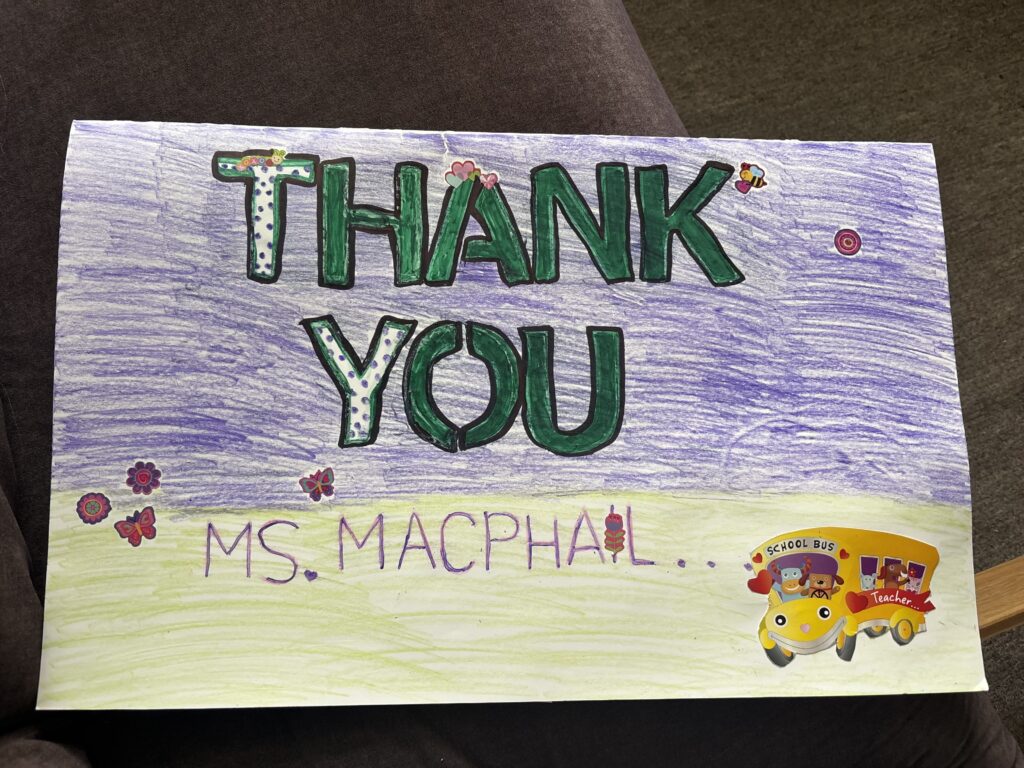
In my EDUC 391 practicum, I watched as the students became more comfortable with me in their space, and felt so appreciated when they started coming to me with their questions or simply to ask me to colour with them. Introducing myself as professional and kind helped the students see me as someone they could look up to and rely on, making it more joyful and exciting for me to help them learn and grow. There were students I taught once, and there were others I had in my lessons everyday. Nonetheless, I made a positive impact on each of these students, and I’m so grateful for the experience.
I also know that there will be times in my teaching career where I am one of few strong role models my students may have. This means being their teacher, as well as the person who listens to their struggles and stories, who answers their questions, who makes sure they receive breakfast, asks them about their day, and expects them to be nothing more than a child and a student.
Teachers have so many roles, and to contribute to the profession as a whole, they need to be ready to help students through their hierarchy of needs so they can do their best academically.